Section 01
The process
Electroless nickel is not electroplating without a rectifier. It is a different reaction with different consequences for geometry, thickness control and cost.
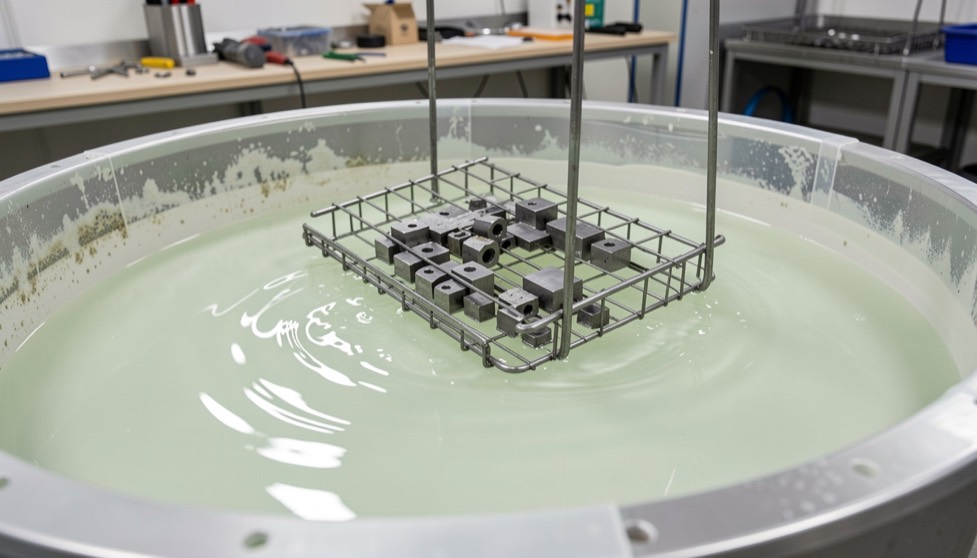
What this section covers
The four notes below take the deposition itself apart: the autocatalytic reduction that puts metal on the part, the role of each family of additives in the bath, the way a surface is made catalytic before it will accept anything at all, and the accident at the National Bureau of Standards in 1946 that turned a laboratory curiosity into an industrial process.
They also cover the practical consequence that decides most specifications: because no current flows through the bath, the deposit does not follow current density, so a blind hole, an internal thread or a re-entrant corner receives the same thickness as a flat face. That single property is why the process survives against cheaper alternatives, and it is why parts that cannot be plated any other way end up here.
How to read these notes
Every figure is followed by the condition that produced it, because almost nothing in this field is a constant: deposition rate depends on bath temperature, pH and loading; hardness depends on phosphorus content and on whether the part was baked afterwards. A number quoted without its condition is not usable on a drawing.
If you are specifying a coating for the first time, read the note on electroless versus electrolytic deposition first, then the note on the bath. If you are trying to understand why two suppliers quote different properties for what looks like the same finish, the answer is almost always phosphorus content, which is covered in the properties section.
The 4 notes in this section
Published 2026-09-06
- 01
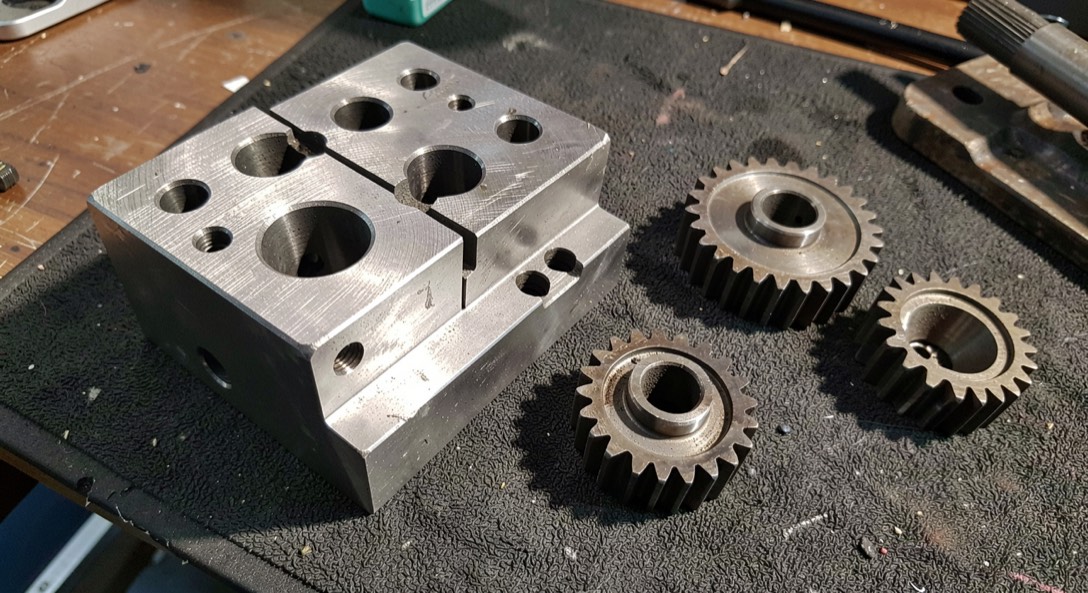
Where electroless nickel actually ends up: parts, industries and salvage
Where electroless nickel-phosphorus works: valves, fuel rails, disk substrates, circuit boards and salvage, with the figures public sources stand behind.
Read the note - 02
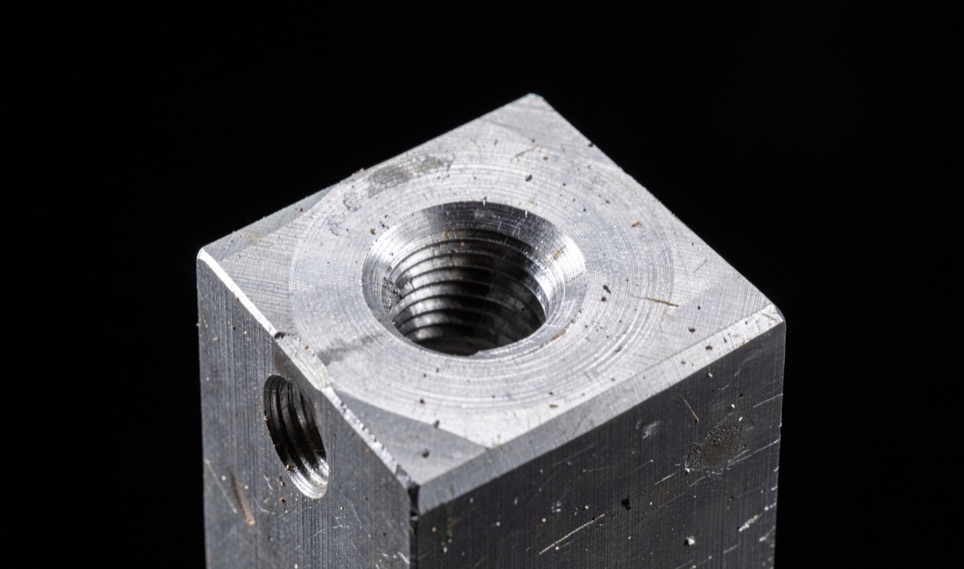
Why electroless nickel coats a blind hole and electroplating does not
Where an electroplated deposit thins out, and how an autocatalytic nickel bath reaches blind holes, internal threads and non-conductive parts.
Read the note - 03
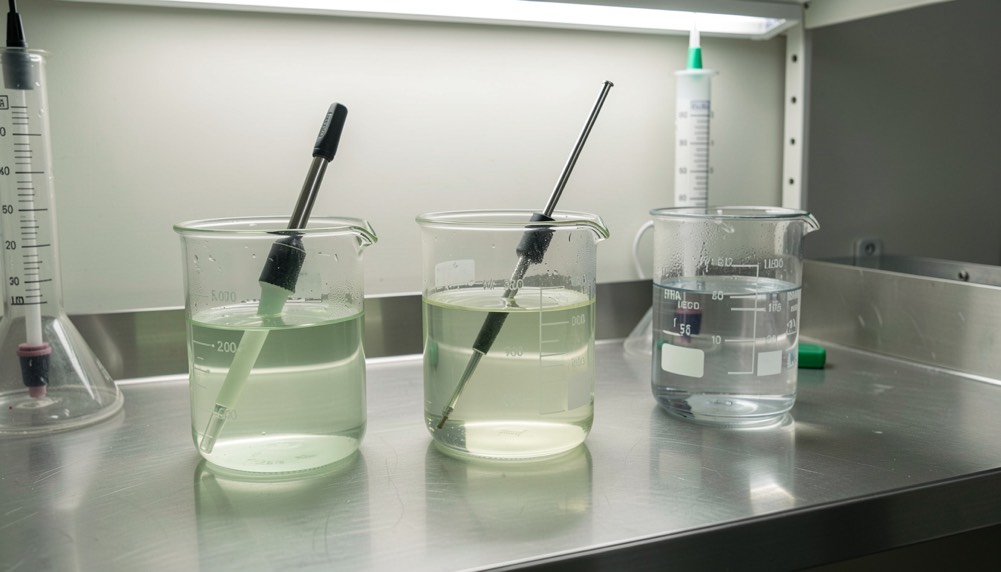
What is in an electroless nickel bath, and how a surface is activated
What goes into an electroless nickel bath, what each additive does and costs, and the activation routes that let different substrates accept a deposit.
Read the note - 04

The 1946 discovery at the National Bureau of Standards
A dated account of how an accidental find at the National Bureau of Standards gave autocatalytic nickel plating its name and its chemistry.
Read the note
Beyond the process
- SectionProperties and testing
- SectionComposites and companion coatings