Section 03
Composites and companion coatings
A plating line is rarely one process. The notes here cover what gets added to the deposit and what happens on either side of it.
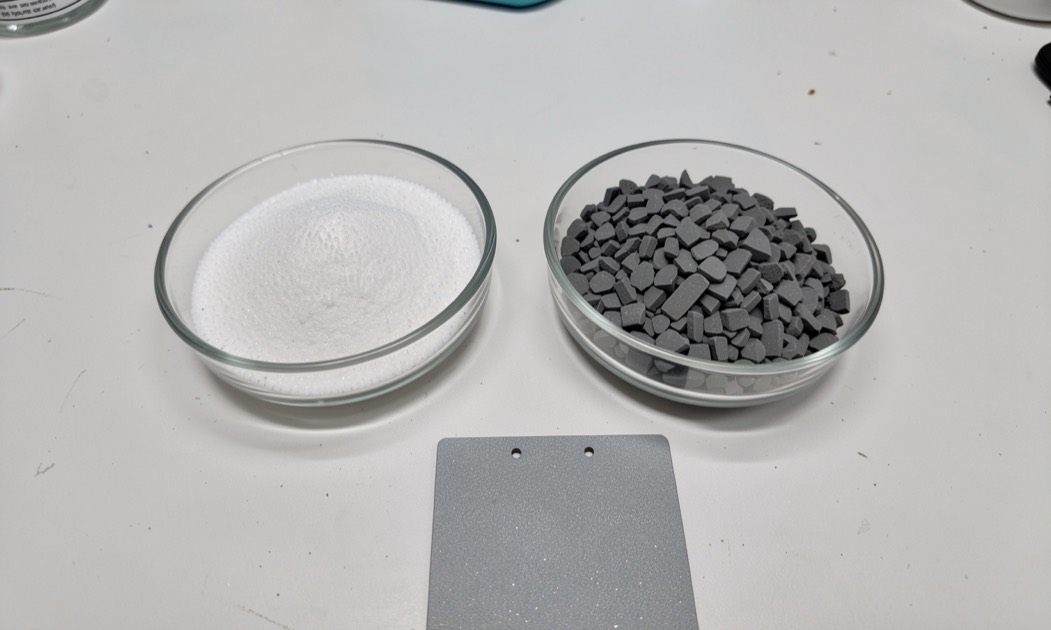
What this section covers
Autocatalytic nickel can carry a second phase. Suspend a powder in the bath and the growing metal layer closes around the particles, giving a deposit that is part nickel-phosphorus and part something else: a fluoropolymer for low friction, a hard ceramic for abrasion resistance. The first two notes cover these two families, what each particle actually contributes, and why some powders codeposit far more easily than others.
The other two notes cover the neighbours. Chromate conversion coating, called chem film in the aluminium industry, is a different chemistry entirely: no metal is deposited, the surface itself is converted into a thin protective film. Abrasive blasting comes earlier still, and decides whether anything downstream adheres.
How to read these notes
Composite deposits are the part of this field where supplier literature is least reliable, because a friction coefficient or a wear figure only means something with its test method, its load and its counterface. The notes give the properties of the particle itself from public sources and are explicit about what cannot be stated as a general number.
Conversion coatings carry a regulatory dimension that plating does not: the classical baths use hexavalent chromium, and that is what the standards and the substitution work are about. The note covers the chemistry and names the standards without pretending to give legal advice.
The 4 notes in this section
Published 2026-09-06
- 01
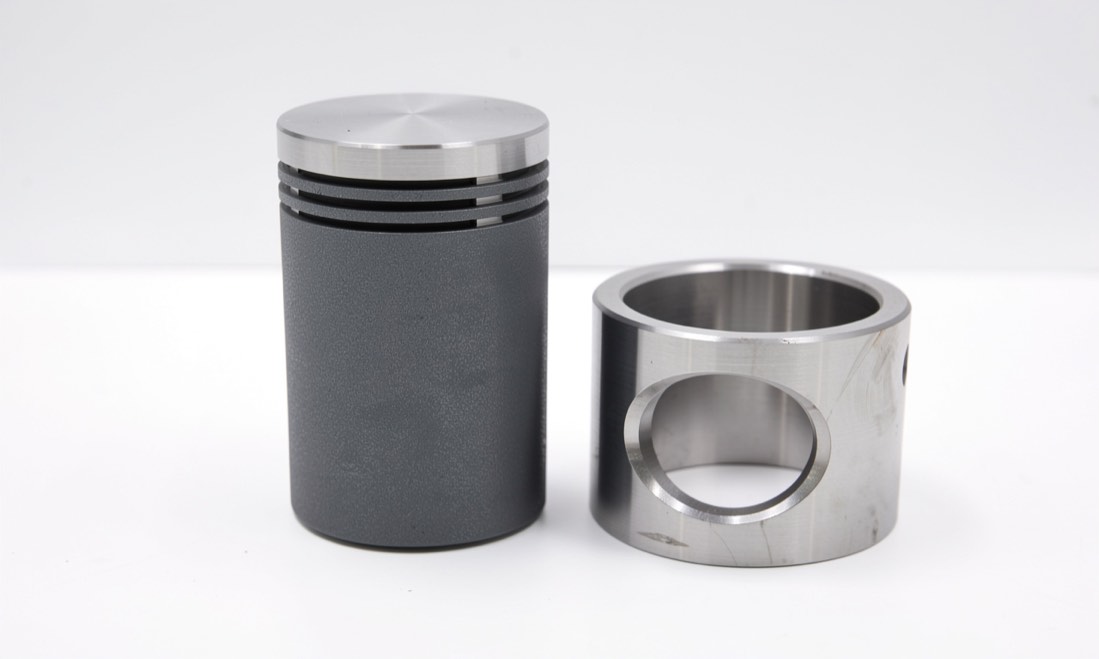
PTFE codeposition: the low friction composite deposit
What PTFE brings to an electroless nickel bath, where the composite came from, and which numbers the public sources actually support.
Read the note - 02
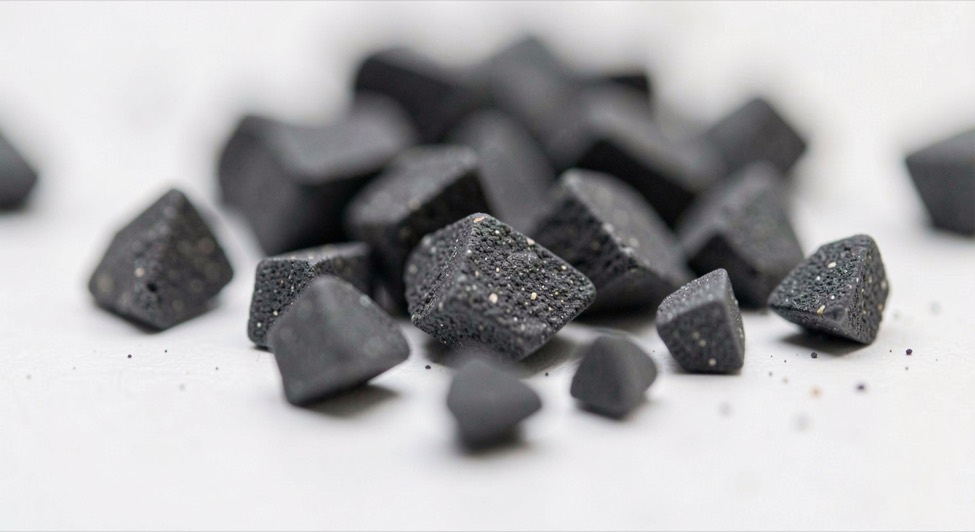
Silicon carbide codeposition: the hard composite deposit
What the public record states about silicon carbide and about the Wankel engine coating that first commercialized composite codeposition.
Read the note - 03
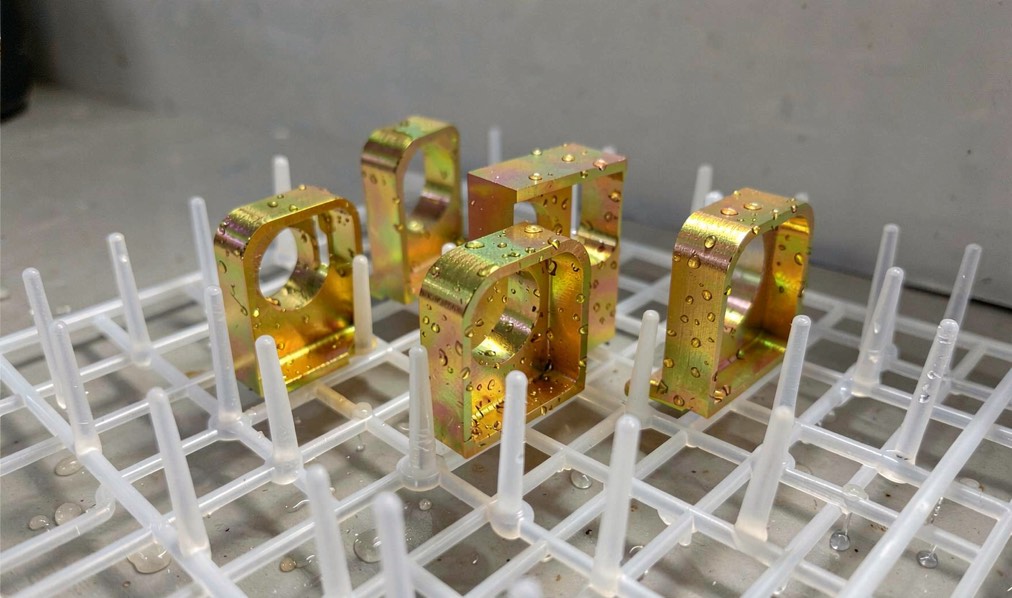
Chem film: chromate conversion coating on aluminium
A sourced note on what chem film actually is on aluminium: the reaction, the gel that dries into a xerogel, thickness in nanometres, residual hexavalent chromium and the standards that govern it.
Read the note - 04
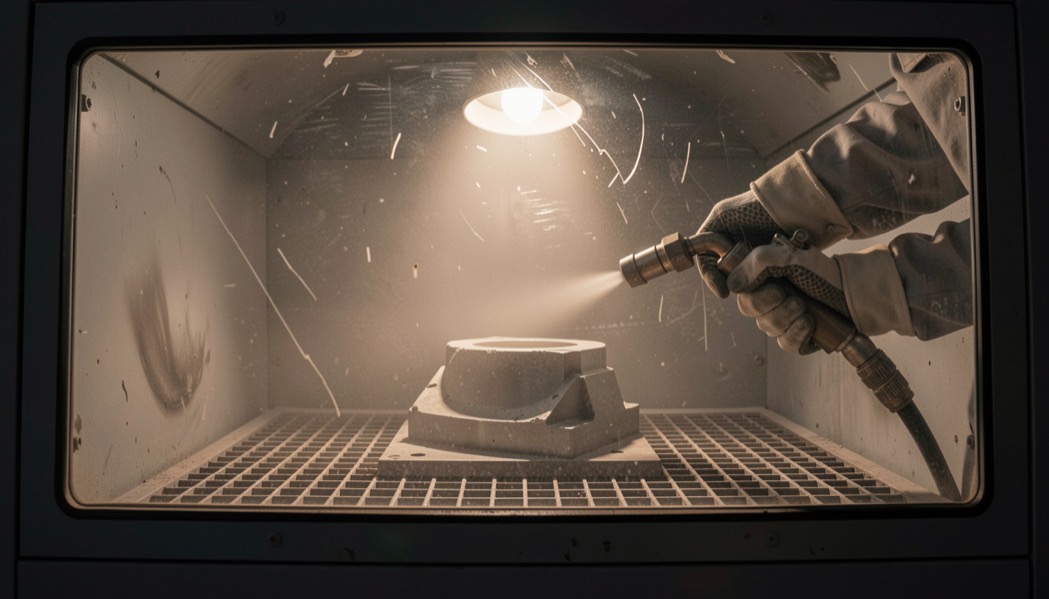
Abrasive blasting before plating
The media, the machines, and the silica hazard behind abrasive blasting, plus the point where mechanical preparation stops and plating chemistry starts.
Read the note
Beyond composites and companion coatings
- SectionThe process
- SectionProperties and testing